

Why Do Cemeteries Digitize Paper Records?
In a world undergoing rapid digitization, it’s important to preserve historical and cultural records while making cemetery operations more efficient. Creating a digital system to track your inventory ensures that you have an accurate record of plot ownership, burials, sales activity, and available spaces. Digital records are easier to search, update, and share among staff, reducing the risk of lost information and improving day-to-day cemetery management.
By using CIMS to modernize your cemetery records, you have the option to add data migration services to your package. But if you choose to do it yourself, here are some best practices to get you started.
Make a Backup of Physical Records
By embracing technology, cemetery managers can immortalize their records by taking high-quality photographs or using scanning equipment. Capturing detailed images of lot cards, burial registers, maps, and other documents not only aids in preserving the information inscribed but also guards against the inevitable wear and tear that physical materials endure over time.
This digital repository creates a reliable backup, fortifying records against potential loss due to disasters, environmental factors, or accidental damage.
Build a List of Every Space in Your Cemetery
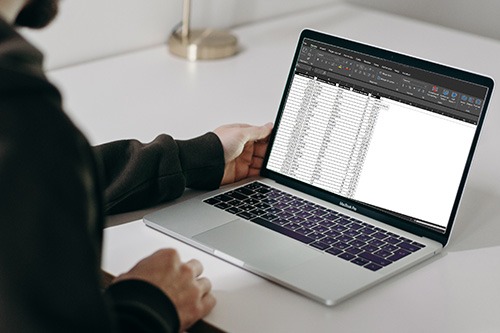
Crafting a comprehensive and organized list of every space within your cemetery is a foundational step toward effective management and digitization. Tools like Microsoft Excel or Google Sheets provide a streamlined way to catalog burial plots, memorial sites, and locations.
A well-structured spreadsheet allows for meticulous documentation and makes it easy to sort, filter, and search records as needed.
Fill In the Details
Add relevant details such as space owners and their contact information, occupant names, dates of interment, financial records, maintenance records, and any other information that is crucial to your cemetery management process.
Adding these details transforms your digital records into a dynamic repository that can be continuously updated to reflect current ownership, occupancy, and inventory status. The result is a complete inventory that helps cemetery managers understand which spaces are sold and which remain available for future use.

How Long Does It Take to Digitize Paper Cemetery Records?
The timeline for digitizing cemetery records depends on several factors, including the size of the cemetery, the number of records being converted, the condition of the records, and whether maps also need to be digitized.
Smaller cemeteries with organized records may be able to complete the process relatively quickly, while larger cemeteries with decades of paper records often require a more extensive effort. Many cemeteries choose to digitize records in phases, starting with burial records and ownership information before adding maps, financial records, and historical documents.
Working with a cemetery management software provider that offers data migration services can help streamline the process and reduce the burden on cemetery staff.
Can You Digitize Incomplete or Damaged Cemetery Maps?
Yes. Even if cemetery maps are incomplete, faded, torn, or missing information, they can often still be digitized and incorporated into a modern cemetery management system.
The digitization process may involve scanning existing maps, comparing them against burial records, lot cards, deeds, and other documentation to create a more complete picture of the cemetery layout. In some cases, cemetery staff can use historical records and field observations to fill gaps and verify information over time.
Digitizing imperfect maps provides a strong foundation for future recordkeeping and helps ensure that valuable information is preserved before further deterioration occurs.
Take the Next Step Toward Digital Cemetery Management
Digitizing your cemetery data is a critical step in modernizing your operations. Once you have a digital system in place for tracking plot ownership and burials, it becomes much easier to import that information into cemetery management software like CIMS.
Whether you choose to digitize records yourself or take advantage of CIMS data migration services, moving from paper records to digital records can improve accuracy, preserve historical information, and help your staff work more efficiently.
Ready to modernize your cemetery records? Request more information or schedule a virtual demo with a CIMS expert today.