
Planning a cemetery addition is a significant undertaking that requires careful consideration, strategic planning, and meticulous execution. Whether you’re expanding an existing cemetery or establishing a new section, master planning is essential to ensure the project meets current needs and anticipates future requirements. Though every cemetery and master planning process is different, approaching your planning process with efficient guidance will help make your cemetery visions come true. This guide will walk you through the typical steps in master planning your cemetery addition, helping you create a space that honors the deceased and serves the living.
What Is Master Planning for Cemetery Additions?
Master planning is the strategic process of evaluating, designing, and preparing a cemetery for future growth. Rather than focusing solely on immediate burial needs, a cemetery master plan considers long-term land use, inventory management, infrastructure requirements, financial sustainability, and community expectations.
A well-developed master plan serves as a roadmap for future expansion, helping cemetery operators make informed decisions about interment offerings, circulation routes, landscaping, amenities, and operational processes. It also helps ensure that future developments align with the cemetery’s mission while maximizing available land resources.
Whether a cemetery is adding a few acres or developing an entirely new section, master planning provides the vision and framework needed to guide growth in an organized and sustainable manner.
When Do Cemeteries Need Master Planning Services?
Many cemeteries begin considering master planning services when they face limited available inventory, changing burial preferences, or the need to expand onto newly acquired property. However, master planning is not only for large expansion projects. It can also help cemeteries proactively prepare for future demands before challenges arise.
Common reasons cemeteries seek master planning services include:
- Existing burial spaces are nearing capacity.
- New cemetery property has been acquired.
- Community demographics and burial trends are changing.
- The cemetery wants to introduce cremation gardens, columbaria, or green burial options.
- Infrastructure improvements are needed.
- Long-term revenue forecasting and land utilization strategies are required.
The earlier a cemetery begins the master planning process, the more flexibility it has to evaluate options, engage stakeholders, and create a phased implementation strategy that supports future growth.
How Does Master Planning Affect Your Cemetery Software Investment?
Master planning and cemetery software work hand in hand. A successful expansion requires accurate records, inventory tracking, mapping capabilities, and long-term management tools. Without the right technology in place, managing new sections and interment options can quickly become more complicated.
As part of the master planning process, cemeteries should evaluate whether their cemetery management software can support future growth. Modern solutions such as CIMS help cemeteries manage burial inventory, maintain digital records, track ownership information, and provide GIS-based mapping for new and existing sections.
When master planning is aligned with your software strategy, you can:
- Accurately track available and reserved spaces.
- Digitally map future expansion areas.
- Improve reporting and forecasting.
- Provide better service to families and staff.
- Maintain organized records as your cemetery grows.
Planning for technology early in the process helps ensure that the systems supporting your cemetery today will continue to meet operational needs well into the future.
Guidelines for Master Planning Your Cemetery Addition
1. Conduct a Needs Assessment
Before diving into the planning process, it’s crucial to understand the needs and goals of your specific cemetery addition. Conduct a thorough needs assessment by considering:
- Current burial trends and future projections
- Demographic changes in the community
- Feedback from families and stakeholders
- Legal and regulatory requirements
This assessment will provide a solid foundation for your master plan, ensuring it aligns with community needs and expectations. Looking for a trusted partner to help you complete a needs assessment? Ramaker, the parent company of CIMS, is here for you!
2. Engage Stakeholders
Involving key stakeholders early in the planning process is vital. This group might include cemetery staff, board members, community leaders, and local government representatives. Engaging stakeholders ensures diverse perspectives are considered and fosters a sense of ownership and support for the project.
3. Select a Qualified Team
Assembling a team of experienced professionals is crucial for the successful execution of your cemetery addition. Consider including:
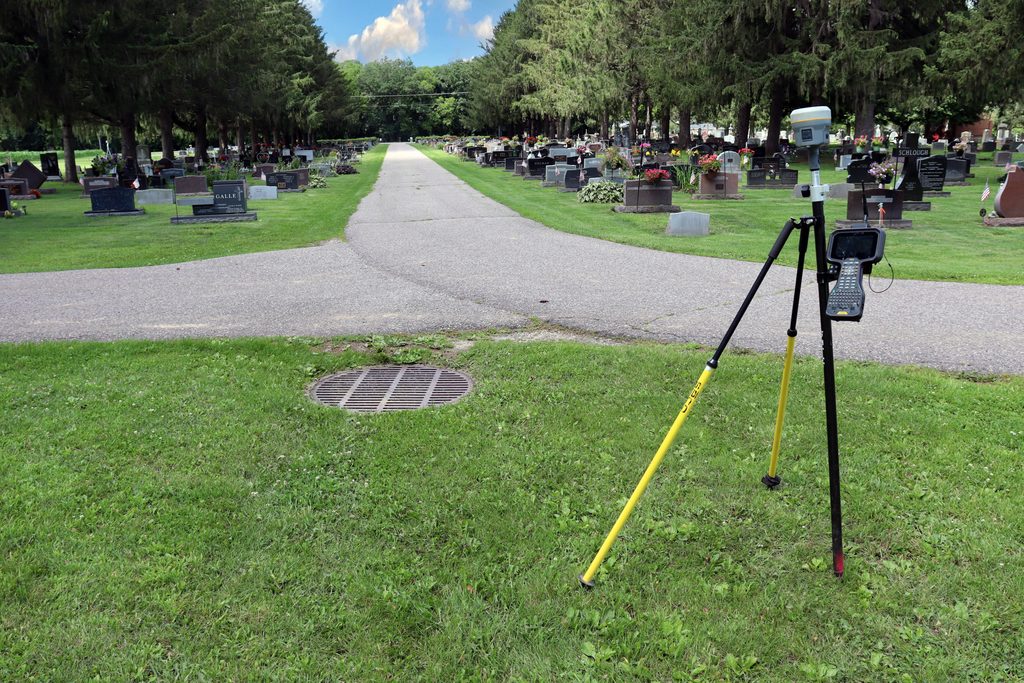
- Surveyors: To accurately map the land and identify potential issues.
- Civil Engineers: To address infrastructure needs such as roads, drainage, and utilities.
- Environmental Consultants: To ensure compliance with environmental regulations and sustainability practices.
Ramaker can provide all these services (and more) to support your cemetery addition.
4. Develop a Comprehensive Site Plan
A well-thought-out site plan is the backbone of your cemetery addition. Multiple concept plans can be considered and can include:
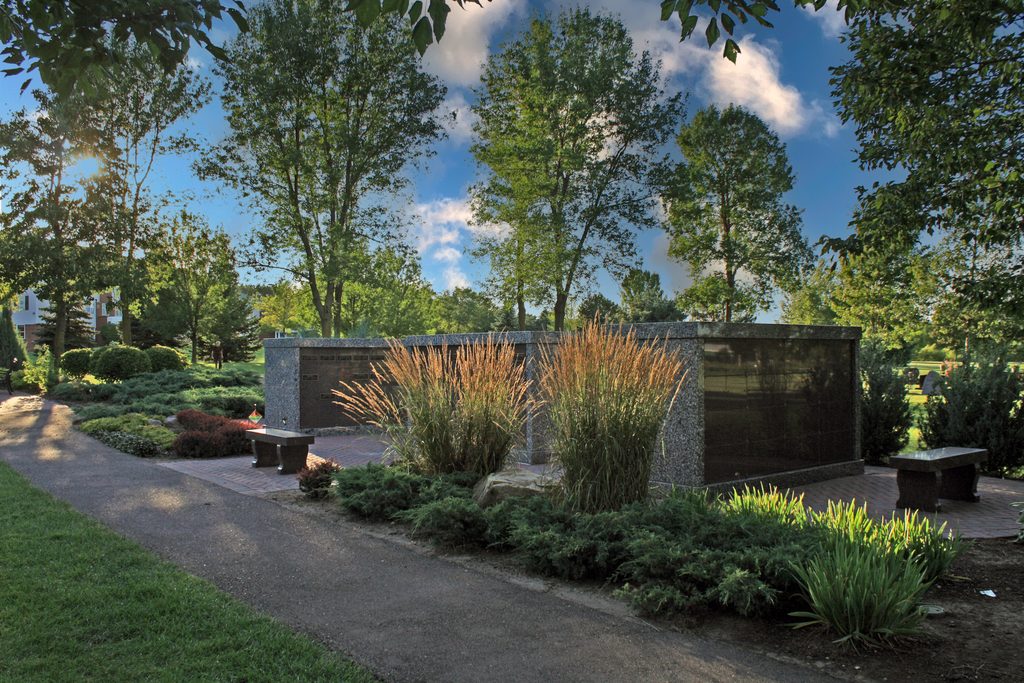
- Layout of Interments: Consider the types of interment options (e.g., in-ground, mausoleums, columbaria) and their placement.
- Infrastructure: Plan for roads, pathways, and utility connections.
- Landscaping: Design green spaces, gardens, and water features to create a serene environment.
- Facilities: Include necessary facilities such as restrooms, chapels, and maintenance buildings.
5. Consider Technological Integration
Modern cemetery management software, like CIMS, can greatly enhance the planning and operation of your cemetery addition. Incorporate technology to:
- Map and Manage Burial Plots: Use GIS mapping for accurate plot locations and inventory management.
- Enhance Customer Experience: Provide online plot searching and reservation capabilities.
- Improve Record-Keeping: Digitize records for easy access and secure storage.
6. Plan for Accessibility and Inclusivity
Ensure your cemetery addition is accessible to all community members by considering:
- ADA Compliance: Design paths and facilities to accommodate individuals with disabilities.
- Cultural Sensitivity: Incorporate diverse interment practices and memorialization options.
7. Implement Sustainable Practices
Sustainability is increasingly important in cemetery planning. Consider incorporating:
- Green Burial Options: Offer environmentally-friendly burial alternatives.
- Native Landscaping: Use native plants to reduce water usage and maintenance.
- Energy Efficiency: Utilize renewable energy sources and energy-efficient infrastructure.
8. Develop a Phased Implementation Plan
Given the timeline of cemetery additions, a phased implementation plan can help manage costs and resources effectively. Break the project into manageable phases, prioritizing critical areas and allowing for flexibility as needs evolve.

9. Secure Funding
Identify potential funding sources early in the planning process. Options may include:
- Grants and Loans: Explore federal, state, and local funding opportunities.
- Community Fundraising: Engage the community through fundraising campaigns and donation drives.
- Revenue Projections: Use projected revenue from plot sales to secure financing.
10. Monitor and Adjust
Once your cemetery addition is underway, continuous monitoring and adjustment are essential. Regularly review progress, gather feedback, and make necessary adjustments to ensure the project remains on track and meets the community’s needs. This allows for consideration of any adjustments to time or layout of your future phases.
Master planning your cemetery can be complex, but with the right support, your cemetery will be prepared to serve the needs of your community for years to come. By utilizing these steps, partnering with qualified team like Ramaker, and leveraging modern cemetery management tools like CIMS, you can create a well-organized, beautiful, and functional space that honors the deceased and serves the living for generations to come.
For more information on how Ramaker can assist with your cemetery planning and management needs, contact us today!